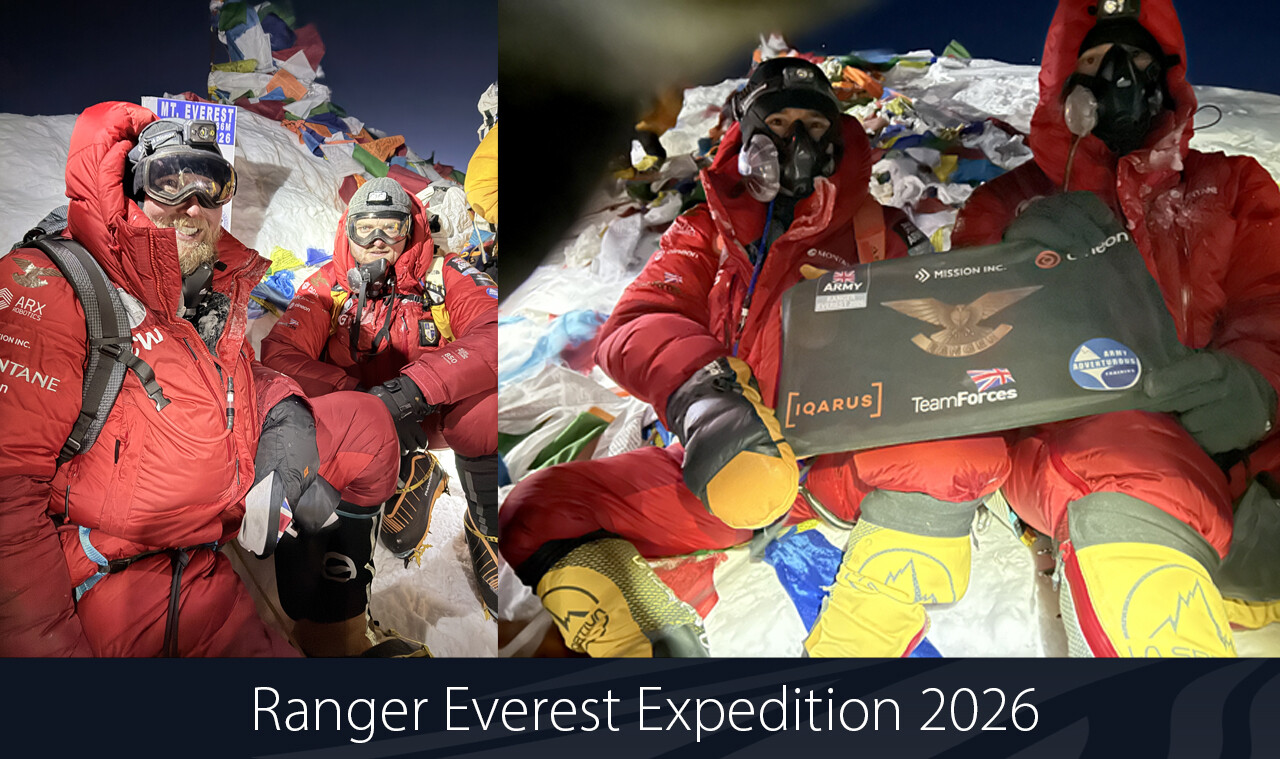
Team Forces and ARX Robotics are proud to celebrate the achievement of the soldiers who successfully summited Mount Everest on 23 May 2026 as part of the remarkable Ranger Everest Expedition.
The expedition, which marked the fifth anniversary of the Ranger Regiment, saw a 13-person team of special operations soldiers undertake one of the world’s most demanding physical and mental challenges following more than a year of intensive preparation and extreme environment training.
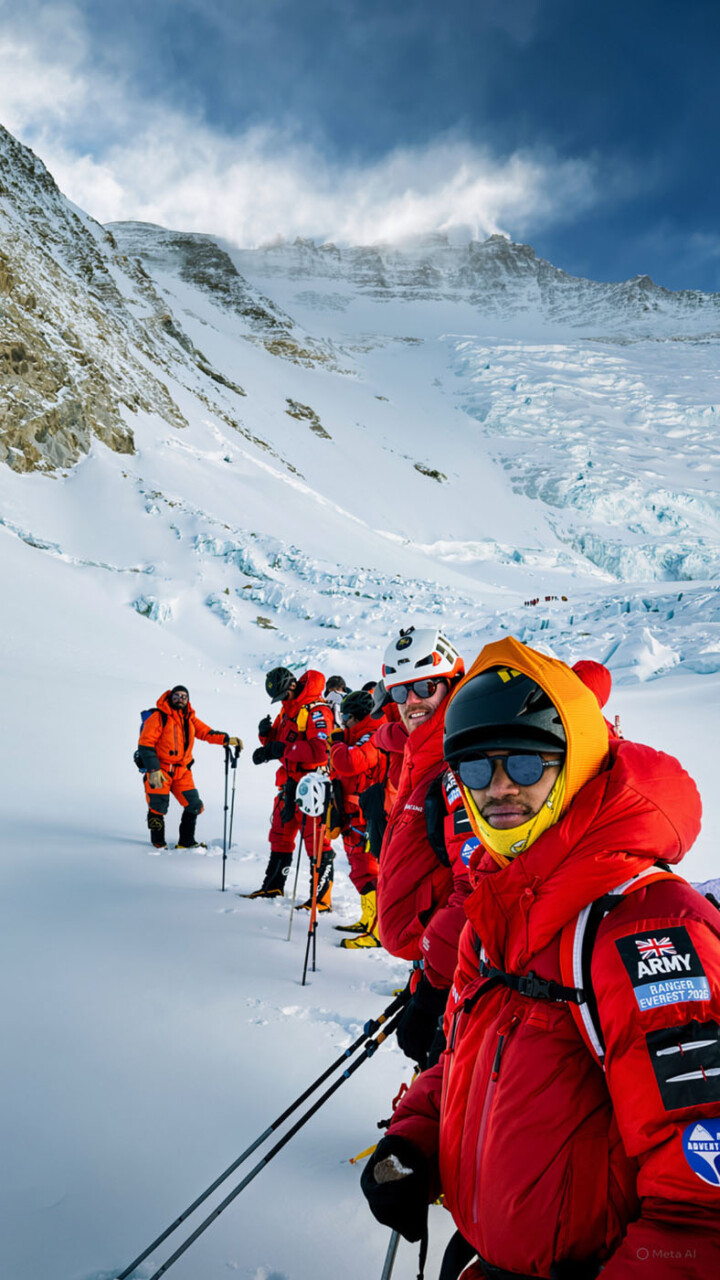
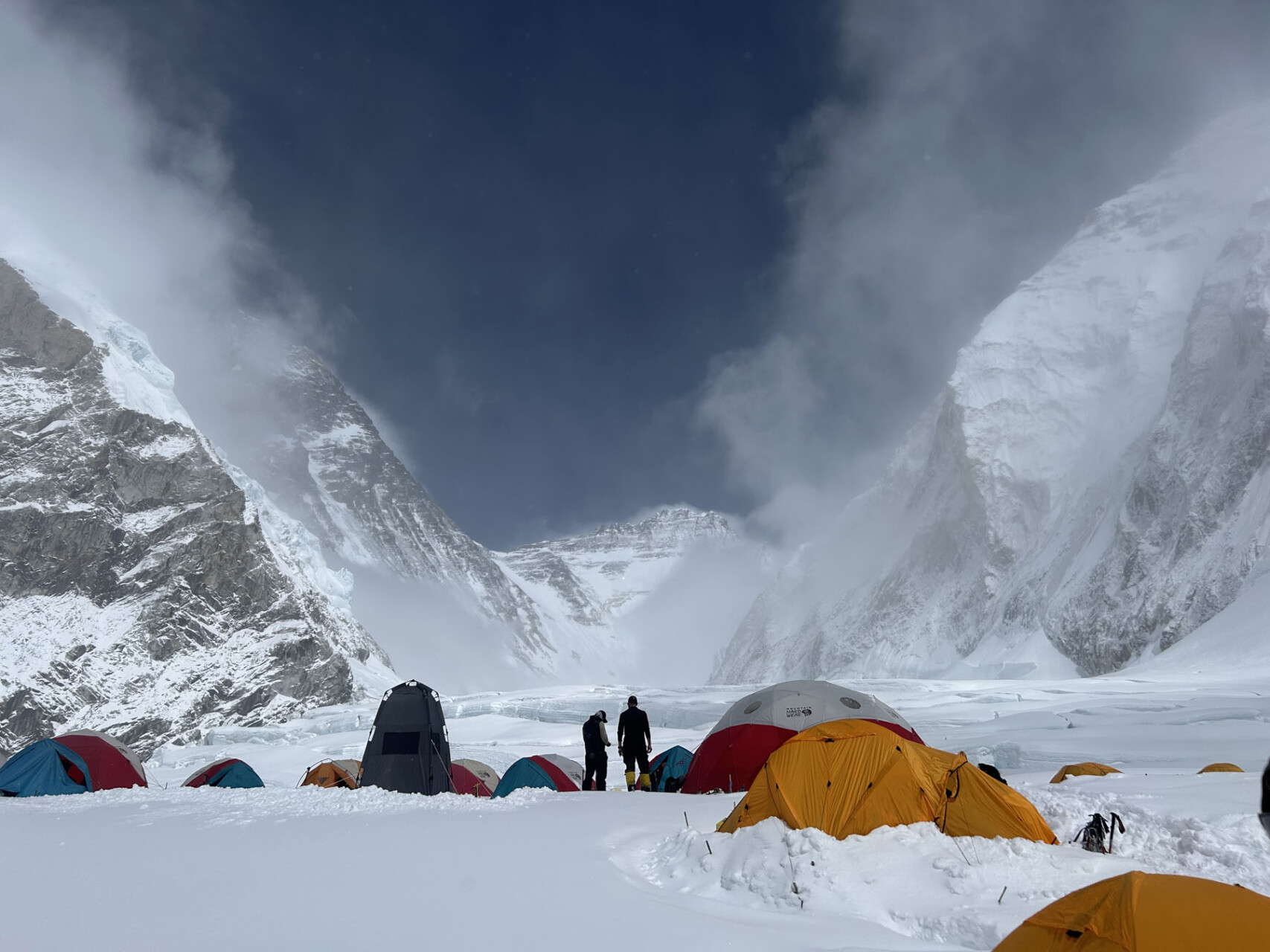
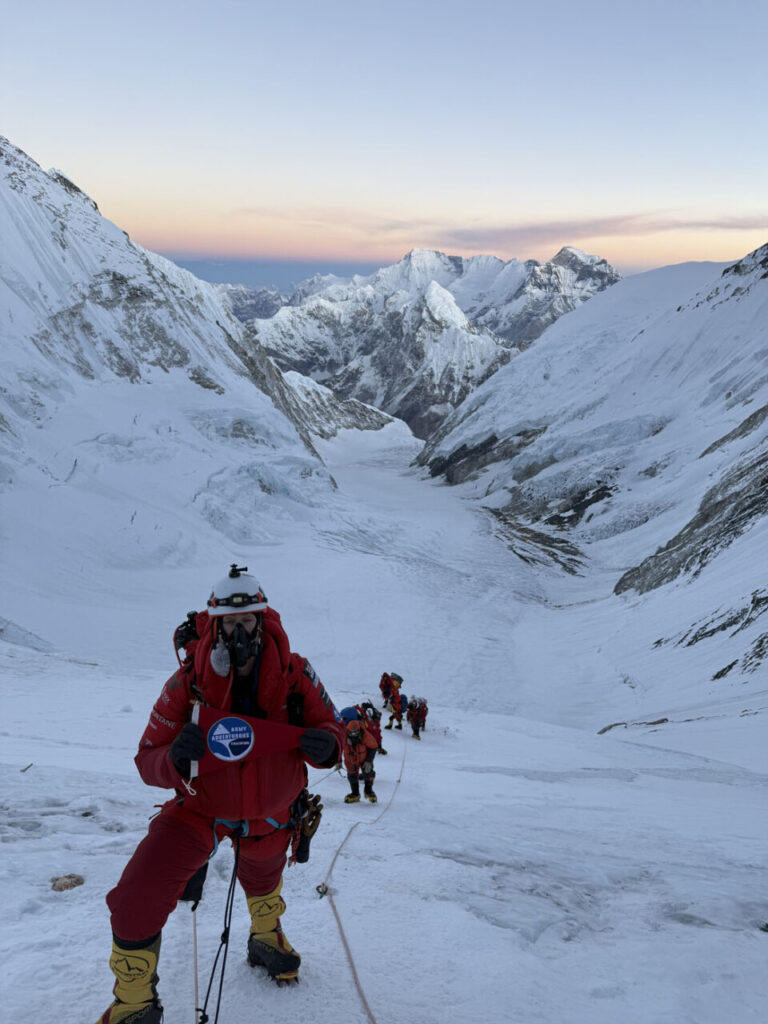
Led by Major Joe Adamson, the team established Everest Base Camp before navigating the treacherous Khumbu Icefall and completing multiple acclimatisation rotations ahead of their summit push. On 23 May, nine Rangers successfully stood on the highest point on earth – an extraordinary achievement that reflects the resilience, teamwork, and determination synonymous with the Regiment. The expedition also included two Royal Marines Mountain Leaders and was formally recognised in Kathmandu by the British Ambassador to Nepal, Rob Fenn, following the team’s successful ascent.
Beyond the mountaineering achievement itself, the expedition carried wider purpose and impact. Alongside the summit attempt, the team contributed to a medical research study focused on human performance in extreme cold and high-altitude environments. The findings will help inform future understanding of how personnel operate in some of the harshest conditions on the planet.
The challenge also raised vital funds for the Peregrine Fund, a newly established charity supporting serving personnel, veterans, and families connected to the Ranger Regiment.
Major General Lamont Kirkland, CEO of Team Forces, said: “This was an extraordinary achievement by the Ranger Regiment team and everyone involved in supporting the expedition. What they accomplished on Everest reflects the very best of the Armed Forces – courage, discipline, teamwork, and resilience under extreme pressure.
Team Forces and ARX Robotics are proud to have supported a challenge that not only tested human performance at the highest level, but also contributed to research, charitable fundraising, and inspiration across the wider military community.”
The Ranger Everest Expedition stands as a powerful example of what can be achieved through preparation, teamwork, and a shared sense of purpose – inspiring not only those within Defence, but the wider public as well.
Team Forces and ARX Robotics were extremely proud to help support an initiative that combined adventure, leadership, research, and charitable purpose at the highest level. We congratulates the entire Ranger Everest team on this outstanding accomplishment.
From Selection to Summit: The Story of the Ranger Everest Expedition 2026
When the Ranger Everest Expedition was first conceived, the goal was never simply to climb the world’s highest mountain. It was to test resilience, leadership, teamwork, and human performance at the highest possible level – while marking the fifth anniversary of the Ranger Regiment with a challenge worthy of its reputation.
Twelve months later, nine Rangers stood on the summit of Mount Everest!
The journey to that moment began long before Nepal.
Building the Team
In late 2025, the expedition team was selected from across the Ranger Regiment. Representing a broad range of ranks and backgrounds, the final 13-person team brought together soldiers united by a willingness to commit to one of the most physically and mentally demanding challenges on earth.
Led by Major Joe Adamson, the expedition quickly became far more than a mountaineering objective. Alongside the summit attempt, the team would support a medical research study examining human performance in extreme cold and high-altitude environments – work with relevance for future special operations capability and Defence understanding of extreme environment resilience.
The expedition also set out to raise funds for the Peregrine Fund, supporting serving personnel, veterans, and families connected to the Ranger Regiment.
A Year of Preparation
Success on Everest is built long before climbers arrive at the mountain. Over the following months, the Rangers undertook a demanding programme of physical conditioning, technical mountaineering training, and specialist preparation.
Fitness tracking, load carrying, endurance work, and mountaineering theory became part of daily life. Every detail mattered. At altitude, small mistakes can quickly become life-threatening.
In April 2026, the team moved into intensive alpine preparation in Ballachulish, Scotland, supported by the Army Adventurous Training Group. Here, the Rangers honed the technical skills required for Everest: abseiling, fixed rope movement, glacier travel, casualty evacuation drills, and operating safely in harsh mountain conditions.
The training was designed not just to improve technical ability, but to build trust and cohesion under pressure – something that would prove critical on the mountain itself.
Arrival in Nepal
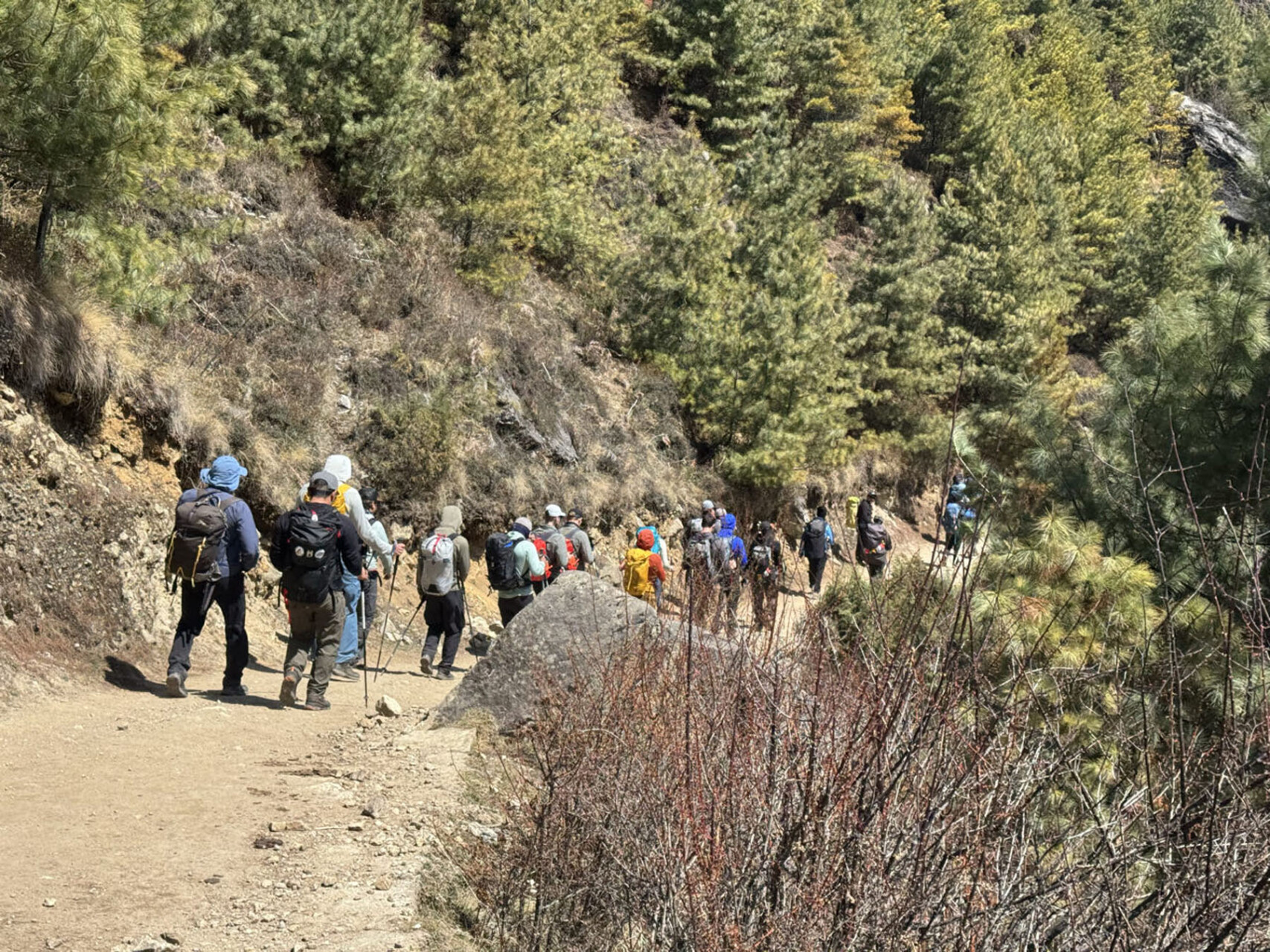
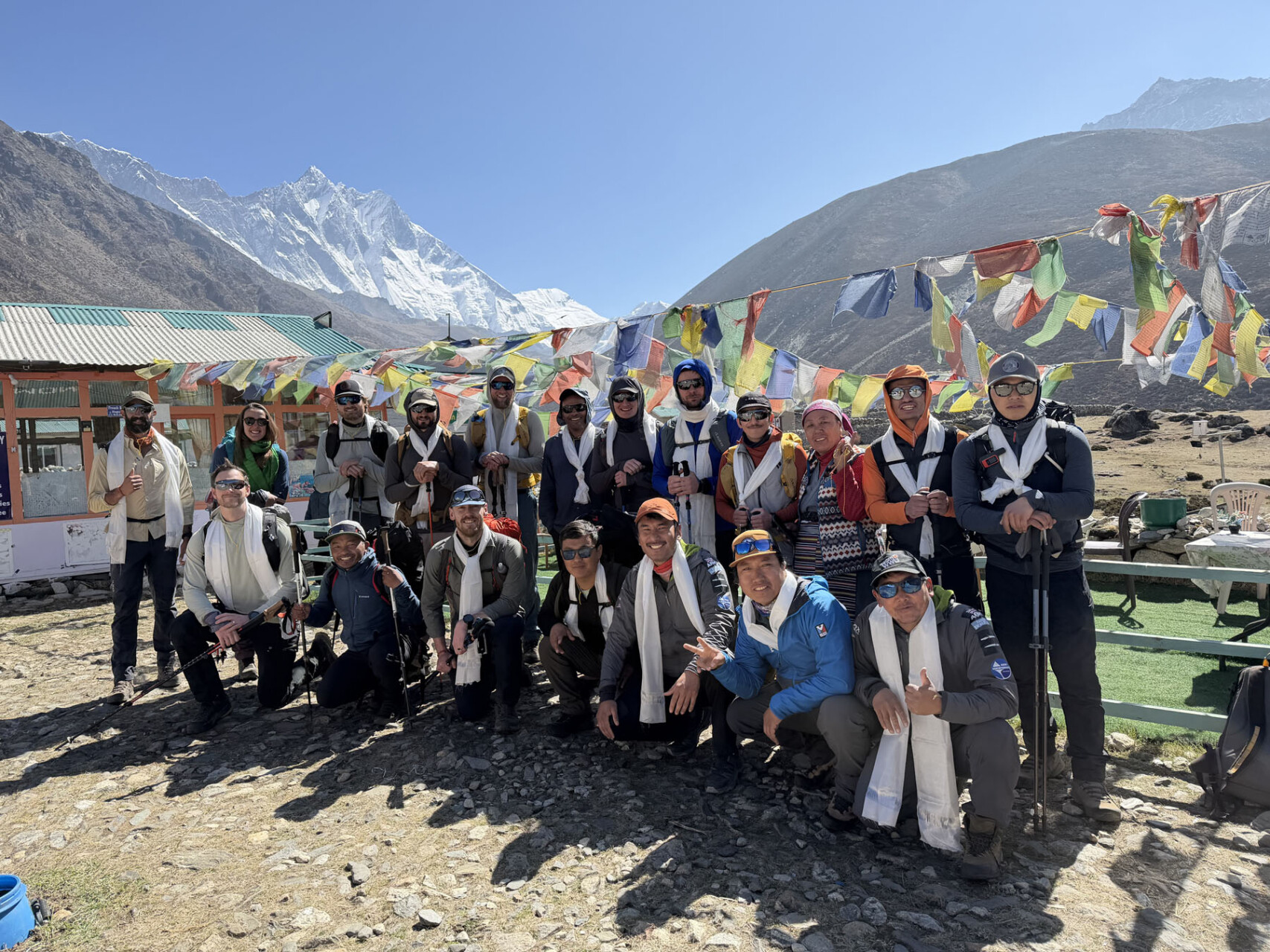
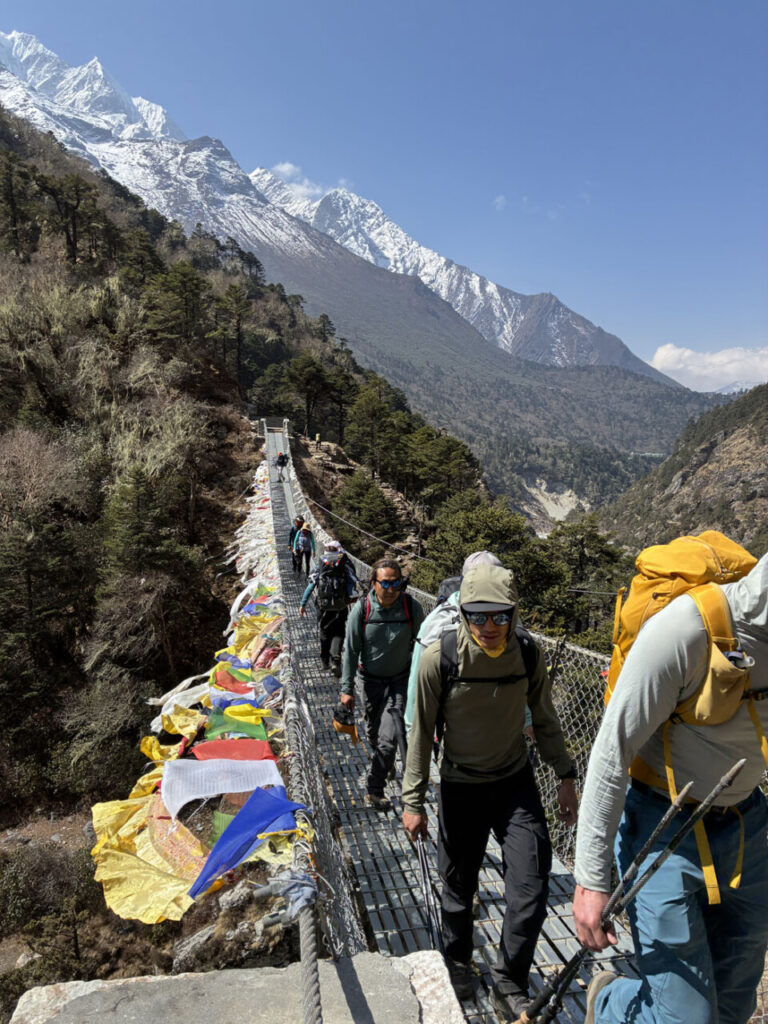
In late April, the expedition arrived in Nepal and began the long journey to Everest Base Camp.
For many mountaineers, reaching Base Camp is an achievement in itself. For the Rangers, it marked the true beginning of the expedition.
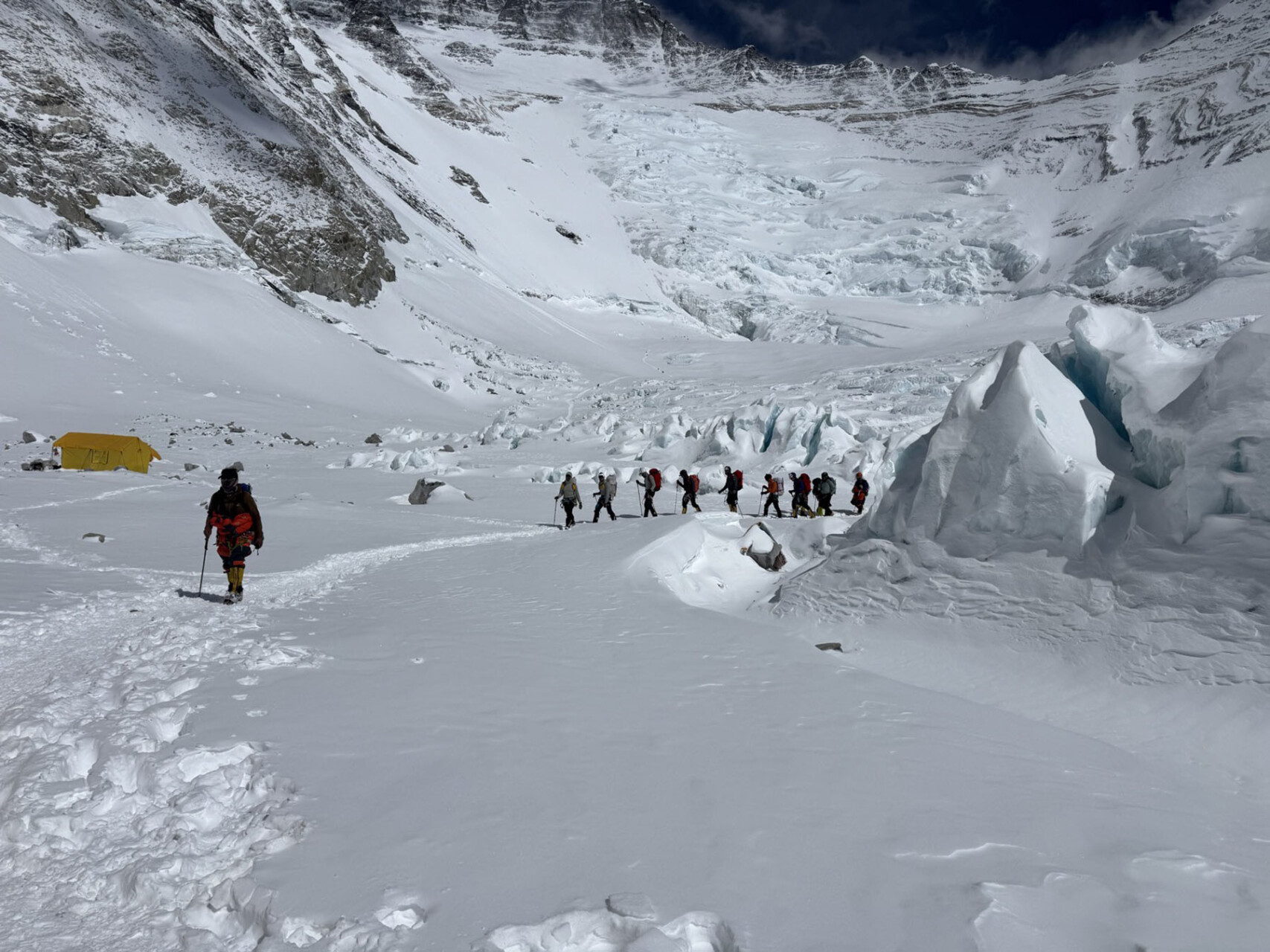
At 5,364 metres above sea level, Base Camp became home for the next several weeks as the team began the painstaking process of acclimatisation. Days were spent rehearsing ladder crossings, fixed rope drills, and movement techniques required to safely navigate the Khumbu Icefall – one of the most dangerous sections of the climb.
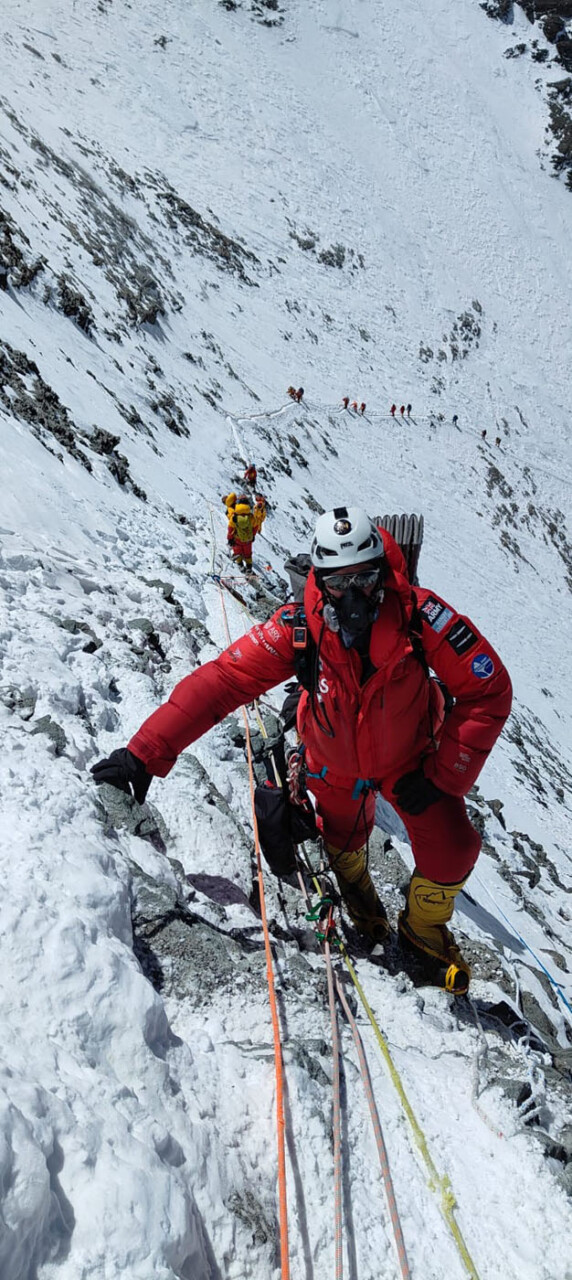
The Rangers then began a series of acclimatisation rotations higher up the mountain, climbing to increasingly higher camps before descending again to allow their bodies to adapt to the lack of oxygen.
Progress was slow by design. On Everest, patience is survival.
Into the Death Zone
After weeks of preparation and waiting for a suitable weather window, the team launched their summit push.
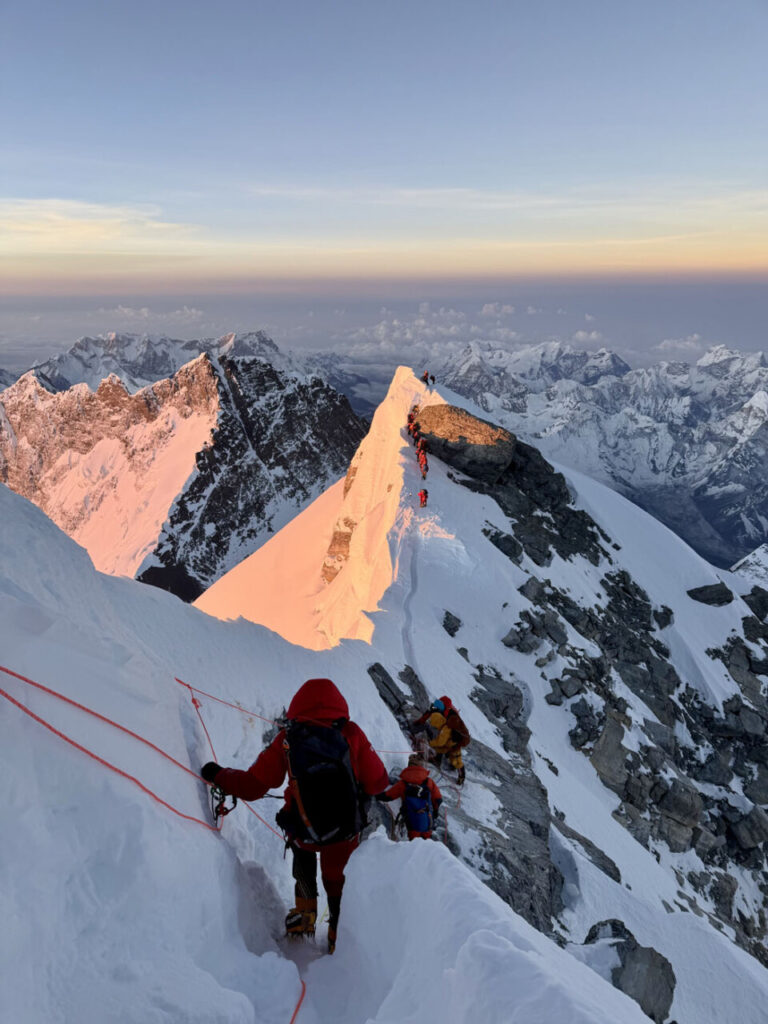
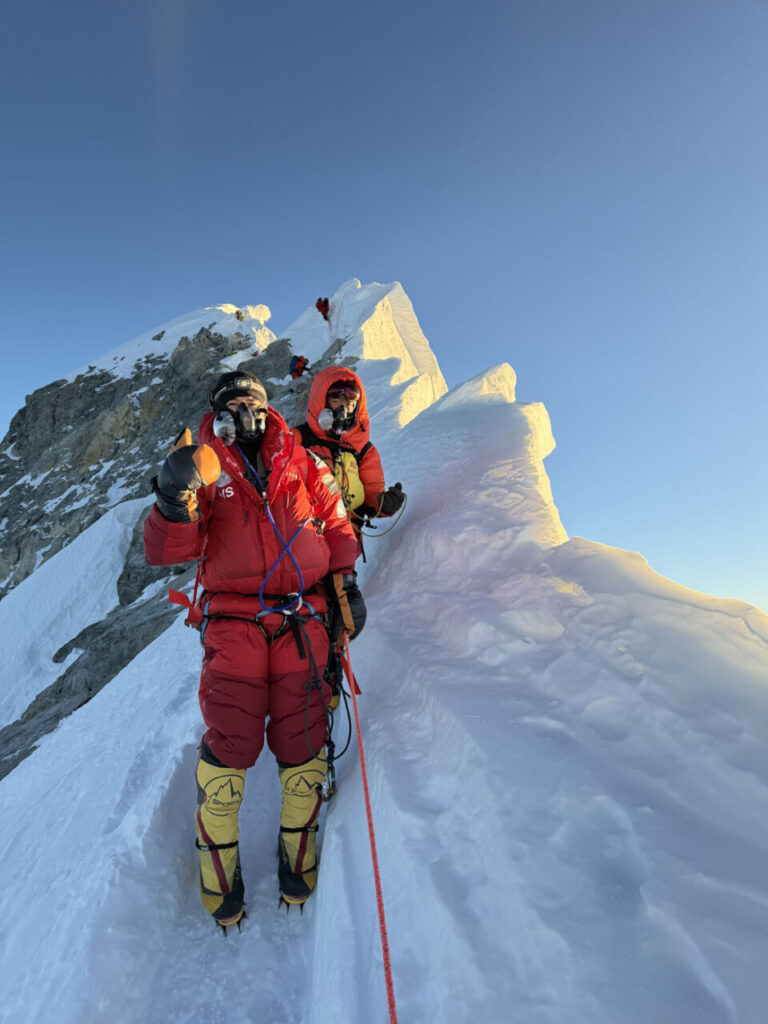
Climbing above 8,000 metres – the so-called “death zone” – places enormous strain on the human body. Every movement becomes harder. Temperatures plummet. Decision-making, teamwork, and discipline become even more critical.
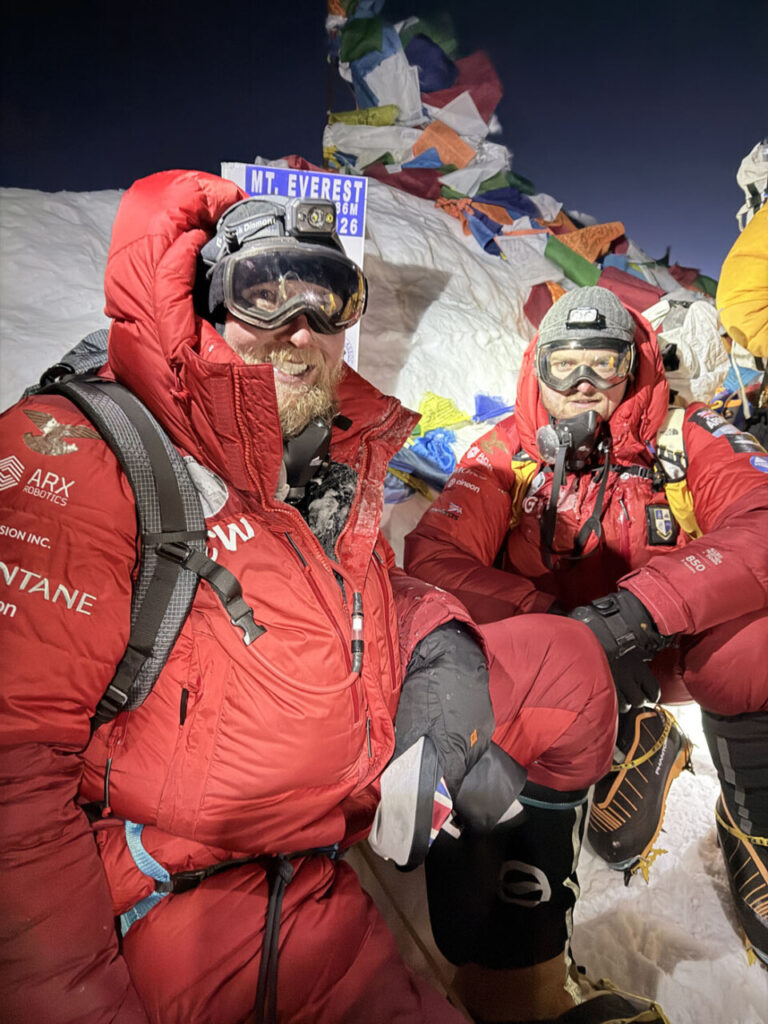
The Rangers continued upwards through the final camps, relying on months of preparation and each other. Then, on 23 May 2026, nine Rangers successfully reached the summit of Mount Everest. Standing at 8,848 metres above sea level, they became part of a small group of British Army personnel to achieve the feat – a remarkable accomplishment made even more significant by the expedition’s broader purpose and military context.
More Than a Summit
While the images from the summit captured public attention, the true story of the Ranger Everest Expedition lies in everything behind those final steps. It was a year of relentless preparation, shared hardship, calculated risk, and collective determination. It was also an expedition that delivered wider impact beyond mountaineering itself – supporting medical research, charitable fundraising, leadership development, and international engagement.
For Team Forces and ARX Robotics, supporting the Ranger Everest Expedition reflected a belief in the value of challenge, adventure, and ambitious projects that push individuals and teams beyond perceived limits. This expedition embodied all of those things.